
 Stephanie Joyce

Food insecurity in Africa has reached alarming levels, exacerbated by the COVID-19 pandemic. This article delves into the critical issues highlighted in a 2021 policy brief, discussing the rising food insecurity, its implications, and recommendations for a more secure future.
The Reality of Food Insecurity
Before the pandemic, over 250 million Africans were already facing food insecurity, a number steadily rising. The pandemic intensified this crisis due to economic slowdowns, rising unemployment, disrupted supply chains, and increased poverty. Nine countries, including Burkina Faso and South Sudan, saw more than 50% of their population undernourished, often exacerbated by conflicts and weak governance systems.
Africa ranks as one of the top three largest demographics for undernourished populations of human beings. A staggering 38% of its people throughout the continent face chronic hunger and malnourishment issues and face what is known as “silent hunger”, a term deriving from food deprived of healthy nutrients.
Impact of COVID-19 on Food Security
The pandemic impacted global food networks, affecting food affordability and accessibility in Africa. Food price increases, particularly for staples, resulted in changes in diet structure, changing the quantity and quality of consumed food. Vulnerable groups were disproportionately affected, particularly in rural and urban informal communities.
Nutritional Consequences
Food insecurity led to numerous forms of malnutrition, with children under the age of five bearing the brunt of the burden. A major section of Africa's population suffers from stunting, wasting, being underweight, and deficiencies such as vitamin A and iron deficiency. Diet-related noncommunicable diseases among both adults and children, putting further strain on healthcare systems.
Historical Context of Social Policies and Safety Nets
Historically and recently, African states have developed cash transfer programs and safety nets to alleviate poverty and food insecurity. However, many projects needed help, particularly in identifying the appropriate beneficiaries. While these programs provided short-term relief, their transformative potential toward the United Nation’s SDGs (sustainability development goals) could be better addressed due to budget constraints and implementation issues.
Achieving “Zero Hunger”
Food security necessitates a multifaceted strategy. In order to improve food systems and ensure safe and nutritious food for children, inclusive and sustainable measures are required.
Investments in rural and urban regions, combined with social protection measures, empower disadvantaged people by providing them with food and chances to improve their lives.
Our Role in the Fight Against Hunger
Every individual can make a difference in this worldwide effort. We can make a difference by supporting local farmers and markets, eating sustainably, advocating for good nutrition, and preventing food waste. We have the authority as consumers and voters to demand that corporations and governments prioritize activities that will make Zero Hunger a reality.
Recommendations for a Resilient Future
Invest in Data and Localize Policies
Relevant stakeholders should improve data-gathering systems. That is to improve decision-making and customize policies to the local context (best fit, not best practice).
Increase Social Protection
Moreso, stakeholders, and governments should scale up existing low-cost initiatives. They can do this by leveraging technology such as mobile money platforms to ensure coverage reaches the most disadvantaged and vulnerable communities.
Nutritional Focus
Priority should be given to nutrition programs, infant-feeding practices, and micronutrient supplementation, with a focus on both individuals and specific groups facing issues.
A Call To Action
Across 45 countries globally, 205 million people are in acute food insecurity,
meaning they have so little access to food that their lives and livelihoods are
in danger. PulseDNA is looking to higher education research teams to weigh-
in on this Sustainable Development Goal as highlighted by the United
nations.
https://www.un.org/sustainabledevelopment/hunger/
One key obstacle to food production in many developing countries is access
to fertilizers, which enrich the soil with the nutrients needed for healthy crops.
Sufficient primary raw materials – nitrogen, potash, phosphate, and natural
gas – and fertilizer production facilities are essential to farmers across the
developing world, but high fertilizer prices are blocking the 2023 and 2024
crop cycle.
The challenge is particularly evident in Sub-Saharan Africa. Fertilizer prices
have tripled since early 2020, post Covid-19, and remain volatile, putting a
stable supply of fertilizer out of reach of many small farmers. Conditions have
worsened as the war between Russia and Ukraine has slowed down the
export of fertilizers to Africa. Russia provides fertilizer to Africa while Ukraine
provides grains.


As the war rages on between Russia and Ukraine, the staple food prices win
Africa surged to over 23% over the last several years. Specific details
regarding proposals presented by the African delegation, who were visiting
Russia back in march earlier this year, were not extensively disclosed. Why is
this crisis important?
Check out the existing systems in-place for farming practices, and resources
available, in Africa (an importer, not an exporter, of much-needed fertilizers).
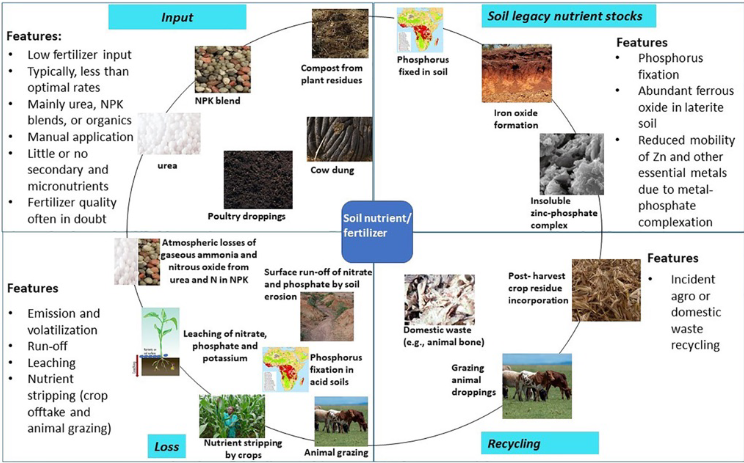
Check-out these infographics created africafertilizer.org that sort fertilizers by
type and the countries they are distributed too:
https://africafertilizer.org/app/#/en/vizualizations-by-topic/trade-statistics/
The need for sustainable farming practices and tracking imports of fertilizer to
Africa has been the mission of AfricaFertilizer, an initiative under IFDC that.
The organizations has been providing high-quality, unbiased data and
information on fertilizer and soil fertility issues in Africa since 2009.
It was reported that approximately 735 million people, 9.2% of the world’s
population, found themselves in a state of chronic hunger. This is a sharp rise
compared to 2019.
Can the data collected by these organizations be the key to help the world
food shortages?
Check out this live map of world hunger:
Visit this well-cited article drafted by the United Nations:
Conclusion
Addressing Africa's food insecurity crisis demands a holistic approach, combining data- driven policies, expanded social protection programs, and a focus on nutrition. By acknowledging the unique challenges faced by each region and demographic group, governments and stakeholders can pave the way for a more secure and resilient future for all Africans
################
We value your opinion! Please take a moment to share your thoughts by filling out our brief survey linked below this article.


GIPHY App Key not set. Please check settings